Elena Lehmann · 14 September 2026
The Role of Automated Alerts in Yewela's Monitoring Systems
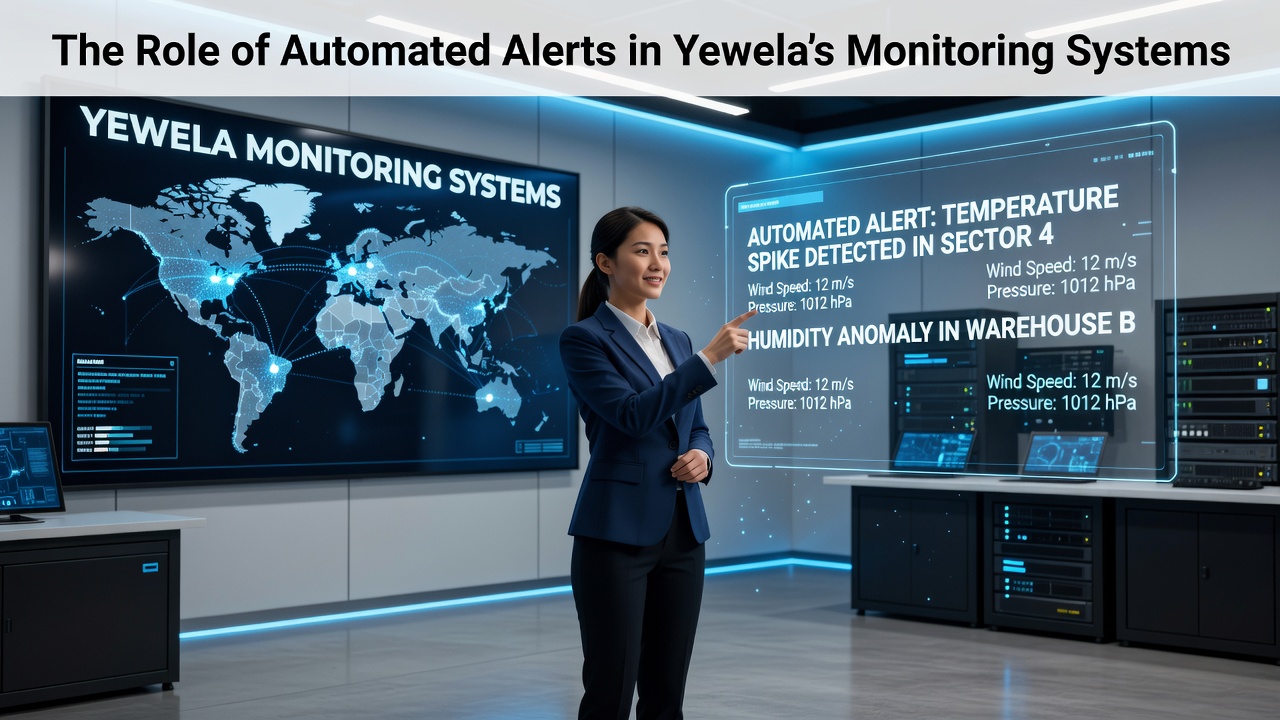
Automated alerts form a core component of Yewela's monitoring systems, where continuous data streams from websites, servers, and network infrastructure trigger notifications based on predefined thresholds and patterns. Researchers at institutions focused on information technology have documented how these systems process metrics such as response times, error rates, and security indicators in real time, allowing operators to receive updates without constant manual oversight. Data from industry reports indicate that organizations implementing similar alert mechanisms reduce average response times to incidents by integrating them directly into existing dashboards.
Core Functions of Alert Mechanisms
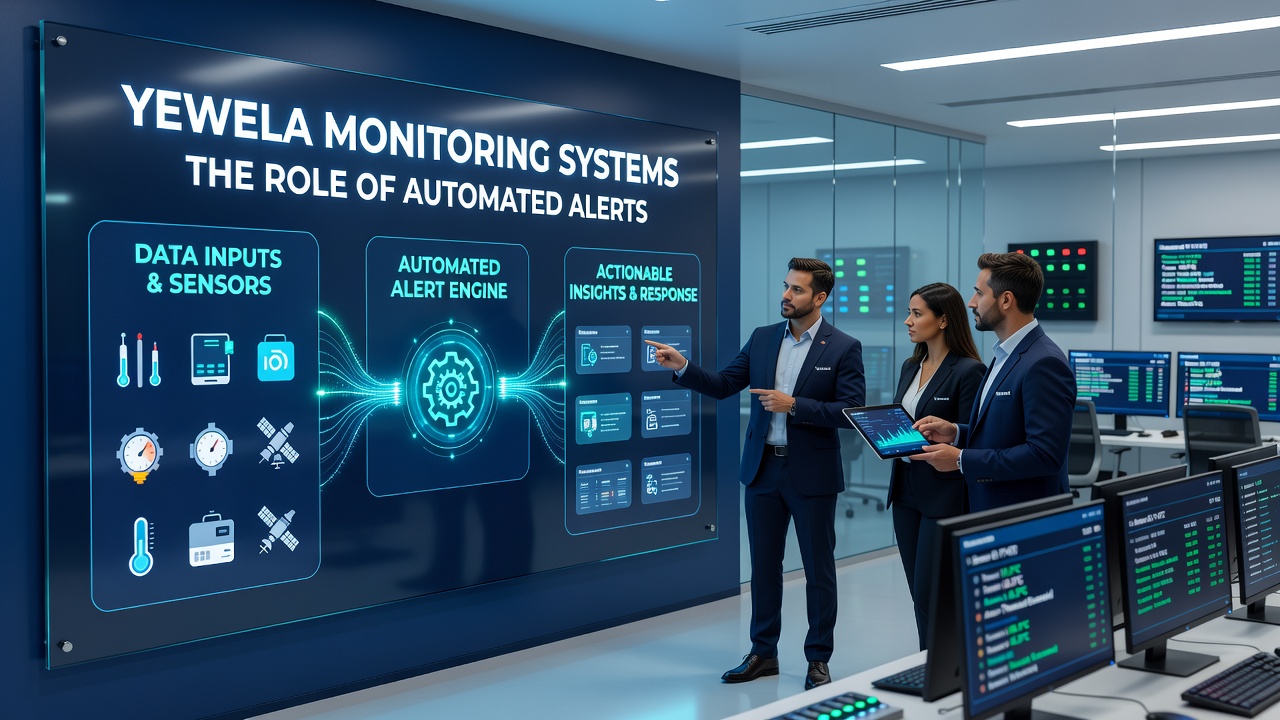
Yewela's setup routes incoming data through rule-based engines that compare values against historical baselines and current conditions, then generates alerts when deviations exceed set parameters. Observers note that this process incorporates multiple data sources simultaneously, including uptime checks, traffic anomalies, and content changes, which combine to create layered notification protocols. Experts have observed that the system prioritizes alerts by severity levels, routing critical ones to immediate channels while queuing less urgent items for scheduled reviews.
Integration with Broader Monitoring Infrastructure
Alerts connect to Yewela's central platform through APIs that pull information from third-party tools and internal sensors, creating a unified view where operators track events across distributed environments. Studies from research groups in the United States show that such integrations improve detection accuracy when alerts draw from combined datasets rather than isolated feeds. And in practice, this means that a single event like a sudden spike in latency can activate cross-referenced checks against related metrics before the notification reaches end users.
Operational Impact Across Different Sectors
Organizations using Yewela systems report that automated alerts support compliance requirements by logging all triggered events with timestamps and details for audit purposes. Figures from regulatory bodies in the European Union reveal that consistent use of automated monitoring reduces the time needed to identify issues that could affect data integrity or service availability. What's interesting is how the alerts adapt to seasonal patterns, such as increased traffic during known peak periods, by adjusting thresholds dynamically based on accumulated records.
Take one case where network administrators at a mid-sized enterprise adjusted their Yewela configurations to include custom alert rules for specific endpoints, which then correlated with improved uptime metrics tracked over several quarters. Data shows that these customizations rely on user-defined parameters while the core engine handles the heavy lifting of data aggregation and comparison. Researchers discovered that teams which review alert histories regularly refine their rules more effectively than those relying solely on default settings.
Developments Scheduled for September 2026
Updates planned for September 2026 introduce enhanced machine learning components to Yewela's alert framework, enabling the system to recognize emerging patterns without manual rule creation in every instance. According to documentation released by the platform, these additions will process larger volumes of telemetry data while maintaining existing notification speeds. Industry analyses from Canadian research centers suggest that similar enhancements in other platforms have led to measurable decreases in false positive rates over time.
Operators can expect new categorization options that group alerts by type and origin, which simplifies triage when multiple events occur in quick succession. The changes build on current capabilities by adding predictive elements that flag potential problems before thresholds are fully breached. Those who've studied comparable systems know that gradual rollout phases help minimize disruption during transitions to updated architectures.
Data Sources and Verification Processes
Yewela's monitoring draws verification from multiple inputs to confirm alert validity before distribution, including cross-checks against external benchmarks where available. National Institute of Standards and Technology guidelines on system monitoring emphasize the value of layered verification steps, which align with the platform's approach to reducing unnecessary notifications. Another reference point comes from Australian government resources on digital infrastructure resilience, which highlight how automated systems support consistent oversight across large-scale operations.
Alerts also incorporate feedback loops where resolved incidents update the underlying models, allowing future detections to benefit from accumulated experience. This process operates continuously, with logs retained for trend analysis that informs long-term adjustments. Evidence suggests that environments maintaining detailed alert records achieve better alignment between system performance and operational goals over extended periods.
Conclusion
Automated alerts within Yewela's monitoring systems deliver structured notifications derived from ongoing data evaluation and threshold comparisons. The framework supports various operational needs through integration, customization options, and planned enhancements that extend into 2026. Information from established technical and regulatory sources underscores the role these mechanisms play in maintaining visibility across complex digital environments.