Elena Lehmann · 28 September 2026
Mapping Competitor Movements via Integrated Crawl Histories in Modern Analytics Platforms
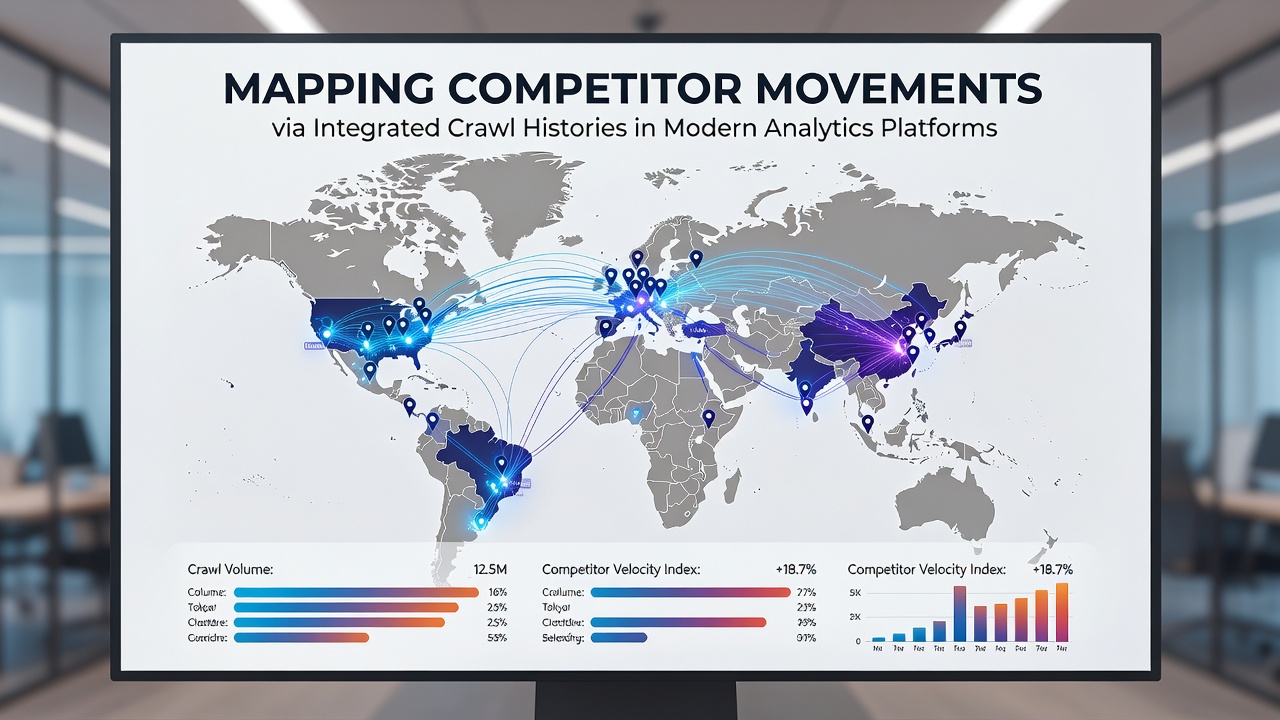
Modern analytics platforms combine historical crawl data with real-time monitoring tools so teams can track how competitor websites evolve over weeks and months. Researchers at institutions such as the University of Melbourne have documented that integrated crawl histories reveal shifts in page structure, content updates, and backlink patterns without requiring separate manual checks. Platforms collect repeated snapshots of target domains, store those records in searchable indexes, and overlay the results on existing traffic or ranking datasets. This approach turns isolated crawl logs into continuous movement maps that highlight when a rival adds new sections, alters pricing pages, or expands international subdomains.
How Integrated Crawl Histories Operate
Crawl engines schedule repeated visits to competitor domains at fixed intervals while storing each version alongside metadata such as response codes, content length, and internal link counts. When these records feed directly into analytics dashboards, users apply filters that isolate changes occurring between any two dates. Data shows that platforms using this method reduce the time spent on manual comparison tasks by pulling historical versions automatically rather than relying on external archives. Observers note that September 2026 brought updates to several commercial suites that now include automated diff views between consecutive crawl cycles, allowing teams to flag additions or removals within hours of detection.
Connecting Crawl Records to Broader Metrics
Integration extends beyond raw page comparisons because platforms merge crawl histories with ranking data, referral traffic logs, and conversion events. Analysts can therefore see whether a competitor’s new category page correlates with a measurable lift in organic impressions or a drop in their own referral share. According to figures released by Statistics Canada, organizations that link crawl timelines to performance indicators identify emerging content themes an average of three weeks earlier than those using static snapshots alone. The same connection also surfaces technical changes such as shifts in schema markup or mobile rendering behavior that may affect search visibility.
Practical Applications Across Industries
Retail teams use the combined datasets to monitor price adjustments and promotional landing pages on rival sites, while media companies track headline changes and topic clusters that gain traction. One logistics firm mapped a competitor’s expansion into new regional domains by noting the appearance of localized contact pages across successive crawls. Researchers from the Technical University of Denmark have examined similar workflows and found that integrated histories support more precise timing for campaign launches because teams observe not only what changed but when those modifications stabilized in search indexes. The same records also help compliance officers verify that competitor claims remain consistent with regulatory disclosures published on official sites.
Technical Considerations for Implementation
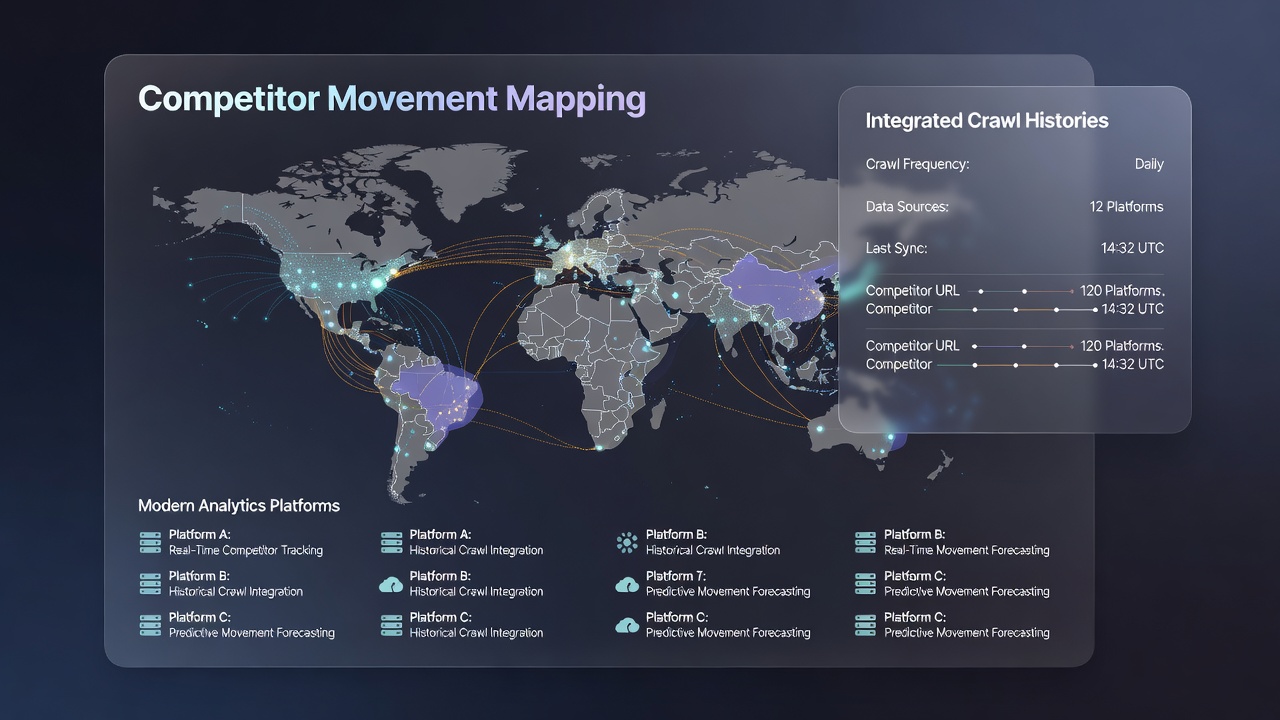
Successful mapping depends on consistent crawl depth, reliable storage of historical versions, and clear permission handling when targets reside behind login walls or regional restrictions. Platforms that enforce rate limits and respect robots.txt directives maintain data quality over longer periods while avoiding blocks that interrupt continuity. Experts have observed that combining crawl histories with API feeds from third-party ranking providers creates a single timeline where content modifications appear alongside visibility metrics. September 2026 saw several vendors introduce export functions that package these timelines into structured datasets suitable for machine-learning models aimed at predicting future competitor moves.
Data Privacy and Access Boundaries
Regulators in the European Union continue to clarify how publicly accessible web data may be collected and stored for competitive analysis. Platforms address these requirements by limiting crawl scope to publicly indexable pages and by providing audit logs that record which users accessed historical records. Government sources such as the Australian Competition and Consumer Commission have published guidance that emphasizes transparency in automated data gathering, prompting vendors to add consent management features within their analytics interfaces. These controls allow organizations to maintain comprehensive movement maps while staying within documented legal frameworks.
Conclusion
Integrated crawl histories embedded in modern analytics platforms deliver structured timelines that reveal competitor activity across content, structure, and technical elements. When these records connect directly to performance metrics, teams obtain clearer pictures of market shifts and can align their own strategies with observed patterns. Continued refinements in data storage, visualization, and compliance tooling suggest that mapping capabilities will expand further as platforms incorporate additional data streams in the months ahead.